
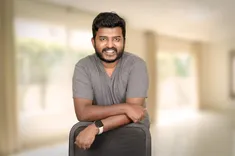
Andrew Sam Raja Pandian came from a technology and media advertising background. During the devastating Chennai floods of 2016, he realized the gap in mainstream media of providing real-time, local, and actionable information to communities affected by the floods. He started a digital news agency to fill that gap, using his team of technologists and hiring trainee journalists, to provide hyperlocal news in the southern Indian city of Coimbatore in Tamil Nadu, India. This was the start of his digital news agency SimpliCity, which was non-partisan and gained a following of one million users within 14 to 15 months of its launch. Apart from daily news articles and updates, SimpliCity would also do a regular follow-up on specific issues. These included politically sensitive topics like sand-mining corruption and environmental damage due to illegal mining in which major political parties were involved. When COVID-19 hit, locals as well as other mainstream media outlets started relying on SimpliCity for ground information. Since its launch, its topics and style of reportage garnered government attention, which Andrew believes brought him under the government scanner. SimpliCity started performing a dual role of being a watchdog organization and a news agency.
On 23 April 2020, a quick turn of events led to Andrew’s arrest. It began with a call from a nearby police station summoning a couple of his journalists for questioning. They were detained and the police insisted Andrew come to the station. Influential acquaintances warned him against going as they claimed there had been discussions about “tightening” SimpliCity. “Tightening”, as per Andrew, is a key term used in official parlance signifying potential repressive measures to suppress journalistic activities. Ultimately, to secure the release of his reporters, he went to the police station from where he was arrested, subjected to relentless interrogation about his life history, funding sources, information sources, and his publications’ stories especially those critical of the government. He refused to cave in to pressure and kept calm. While there was a large media presence during his presence, he was careful to distinguish between pro-government and objective reporters as the former were brought in for smear campaigns. He was charged for spreading false and inciteful content and disobeying government regulations via his publications. The First Information Report (FIR) against him listed offences under Sections 188, 505 (1) (2), 504, and 120B of the Indian Penal Code (IPC), Section 3 of the Epidemic Diseases Act 1897, and Sections 3 and 12 of the Press Registration of Books Act (the last should not have applied to them as it was only for printed materials and not digital ones). He was brought into a magistrate’s house given the pandemic restrictions of court hearing at night and was sent to jail despite no valid evidence being provided by the authorities to back his arrest.
His pushback from the get-go was keeping calm, backing each story of SimpliCity with facts, not signing any document provided by his captors without reading it and not signing these documents under duress. He also relied on a network of acquaintances for legal assistance. It was at that time that he realized the importance of having legal support, which he felt any public-facing civic organization needed to do in the current environment from their launch. He did not receive support from press unions but scattered support individual civic actors who were journalists, activists, and even a few business persons. The English digital publication, The Wire, tweeted about his arrest and soon this was picked up by the Committee to Protect Journalists who put pressure on the state government seeking Andrew’s release. Even the leader of the opposition political party of the state spoke of his arrest. During his time in jail, Andrew found the line of interrogation to be populist, warning him against criticising the government. While he did not have much contact with his family and the outside world during the six days he spent in jail, he realized that the authorities knew they did not have evidence against him. The point of his arrest was to keep him in jail at least for twenty days in order to chill him into ceasing his activism and journalism. Some people urged him not to seek bail as they felt these two-three weeks in jail would prevent piling up on charges if the authorities felt he had received their message. He sought bail, took legal assistance and fought his case. In October 2023, the High Court quashed all charges against Andrew. He continues with his work but recommends making the judiciary, specifically the lower level court proceedings more transparent and protected against political pressure, and having networks of allies and legal assistance as crucial for good-faith journalism and activism.